Lack of transparency threatens availability and operations.
Indoor and outdoor IoT asset tracking
Sensor-based asset tracking
enables reliable location and condition monitoring of mobile and stationary assets across a wide range of use cases.
Asset positions are captured via GPS, while data transmission is flexibly handled through mobile networks, mioty, or LoRaWAN depending on the scenario.
This allows selecting the optimal combination of range, energy efficiency, and reliability for each situation.
In urban environments, for example, mioty-based sensors like the Juno series from Sentinum are ideal for tracking used clothing containers, machines, tools, goods, or other mobile assets across large city areas.
Thanks to the robust wireless technology, position and status data can be transmitted reliably even when mobile networks are limited or temporarily unavailable—a crucial advantage for critical infrastructure and municipal applications.
All captured location and status data is centrally consolidated in Pallax, evaluated in real time, and clearly visualized. This provides a continuous overview of asset locations, movements, and usage—forming the basis for reduced losses, optimized processes, higher availability, and reliable investment decisions—all fully GDPR-compliant and without personal data.
Specialized applications for asset trackers in hospitals and cold chain monitoring
DIN EN 12830 / HACCP
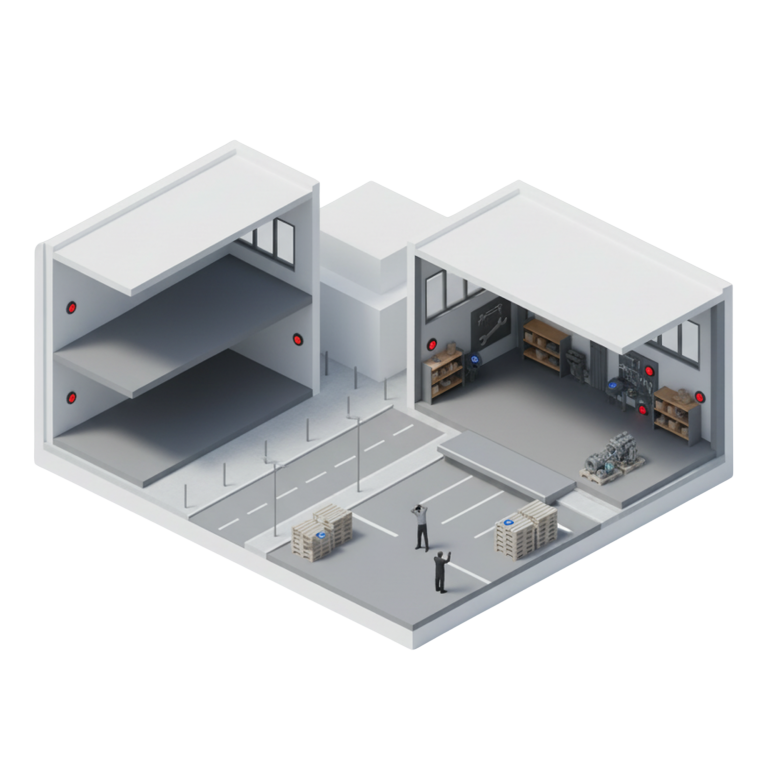
Inside buildings, asset tracking enables transparent monitoring of beds, wheelchairs, or medical equipment.
With sensor solutions from Teltonika Telematics, assets can not only be located but also enhanced with additional functions.
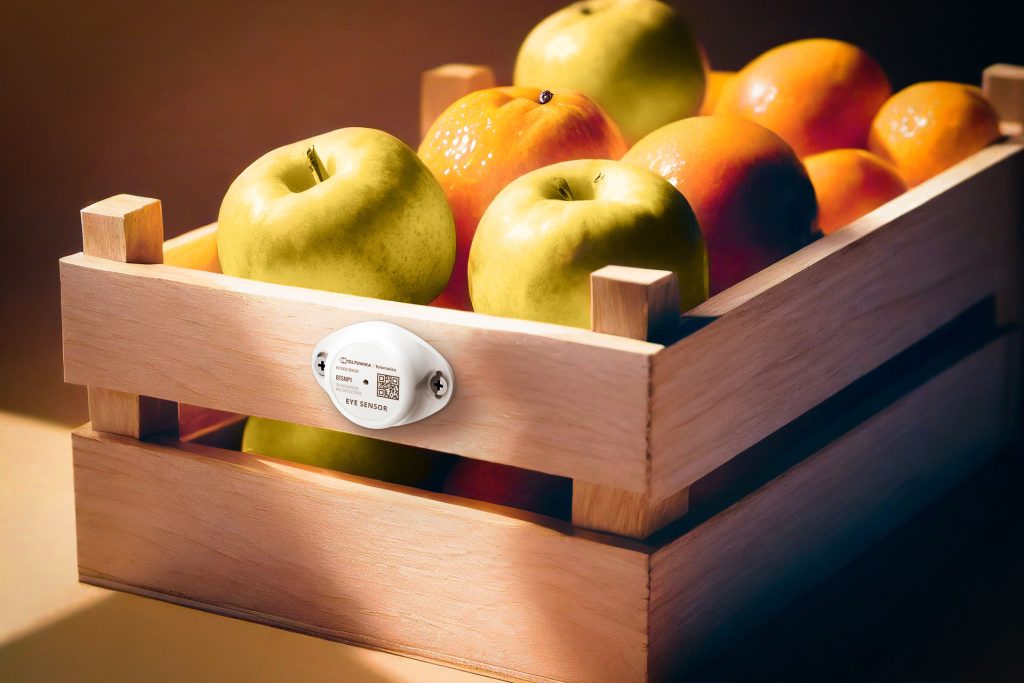
This includes cold chain monitoring according to EN 12830, for temperature-sensitive medications, samples, or food. Continuous monitoring helps quickly detect interrupted cold chains and take action before major damage occurs.
Specialized applications for asset trackers in public transport and hazardous/explosive environments
E-Mark / ATEX
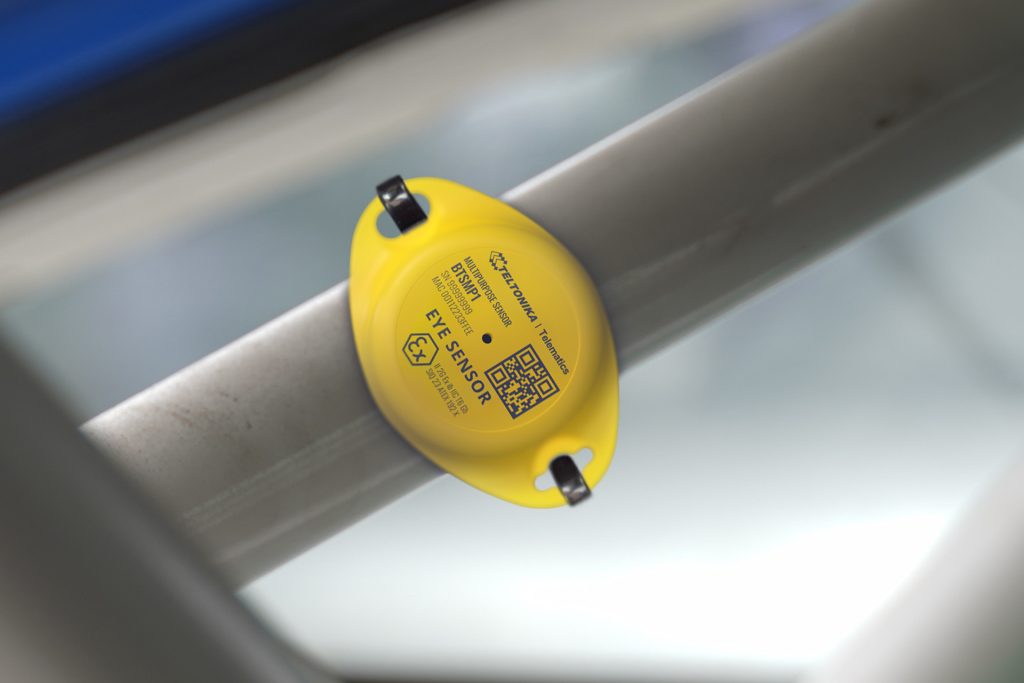
Depending on the application, certified versions are available, including E-Mark for vehicles and ATEX for explosive environments.
The sensors are designed for energy-efficient continuous operation and can achieve battery lifetimes of up to eight years, depending on transmission intervals and wireless technology.
Try Pallax for free.No credit card or software installation required